Joe's Story

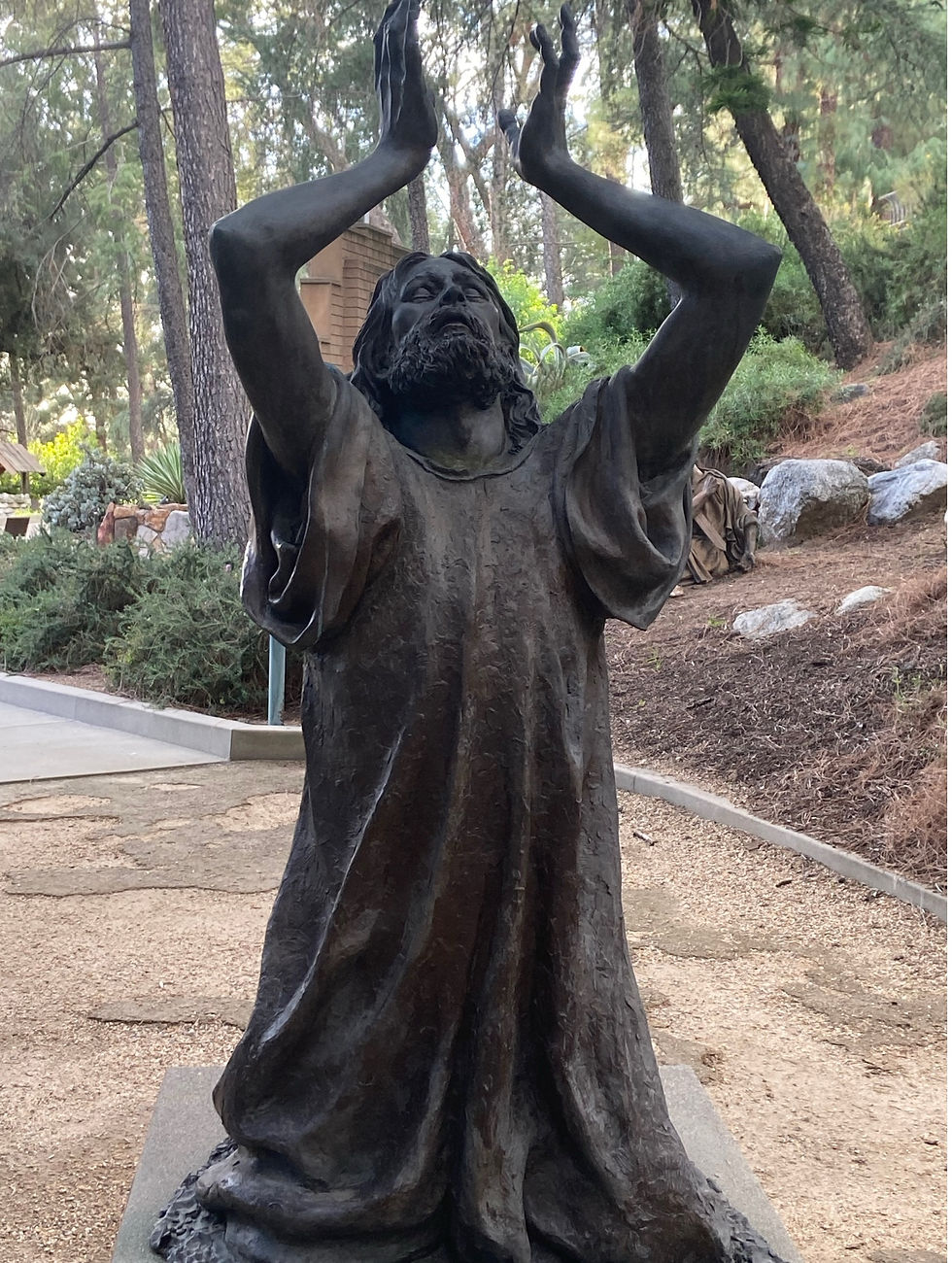
As a survivor of sexual abuse, I have come to realize the importance of giving sacred space and time for grief work. As a man, I can look back on early years of my life and never recall any healthy conversations about the importance of grieving, not only over death, but all my losses, whatever they might be.
One of the great losses of my life was when my innocence was damaged and taken from me and my trust in someone was manipulated and taken advantage of. Father Peter saw I needed affirmation that I was not getting from my own father and that my mother highly esteemed priests to the level of living saints on earth. As a teenager, I needed male approval and attention. He took advantage of these vulnerabilities of mine, and he began a slow grooming process to develop a base of trust in him. But before long, he started molesting me.
Not knowing how to respond to this sudden and unwanted development, I eventually found the courage to end it after five months. I coped by running from my pain, not telling or “burdening” anyone with it, and never developing any deep relationships with anyone. I spent a good twenty plus years living this way. I hid from my pain, not free to be who I was and what I was called to be. I kept things at the surface in conversations safe by being very guarded; not letting anyone really get to know me including family and friends.
In my forties, I went on a Men’s Rite of Passage and was introduced to grief work. I was given permission to grieve whatever I felt were losses in my life. What helped was to be around other men telling their stories of loss, describing the pain of it, and the need to carry it alone. I related to how these men believed grief only pertained to a death in the family or a close relationship. It also resonated with me that there is a false belief that grief is done in a small window of time after which it is expected to move on with life.
Some powerful communal rituals at these Rites gave me space to express my grief in more than just words. After this experience, I noticed two things. First, I felt like a burden was lifted from me. Secondly, when I experienced different losses in my life (divorce, aging of my body, death of a pet), I learned it was OK to take time to grieve that loss and let grief take its course without putting a time limit on it. In a way, grief is like forgiveness. It is a letting go and an honoring of oneself by walking a journey that leads to transformation.
As a spiritual director, I companion many others who mention struggles in their relationship with God. I recognize and hear that there is some loss underneath it all. As they share their story more, that loss will sometimes bubble up. Usually, they do not know how to express or what to do with that loss which gets in the way of their relationship with God and others.
Feeling blessed by some people who gave me sacred space and permission to express my grief over whatever I had been carrying, I offer the same to those I accompany in spiritual direction and retreat work. Once I discovered that grief is an authentic prayer, much like many laments in sacred Scripture (Psalms, Job, Jesus in the Garden of Olives), it has become one of my prayer forms when it wells up within me. God wants me to offer in prayer what authentically comes forth from my heart. Sometimes that is grief, other times, praise, or thanksgiving. Knowing this and being free to be who I am in God’s eyes has transformed me, enhanced my relationship with God, and with others.
You can contact Joe at jelonergan58@gmail.com.


Comments